Tudor Raglan Castle: From Fortress to Palace
Note: This is a show notes page accompanying my on-location podcast, recorded in spring 2026.
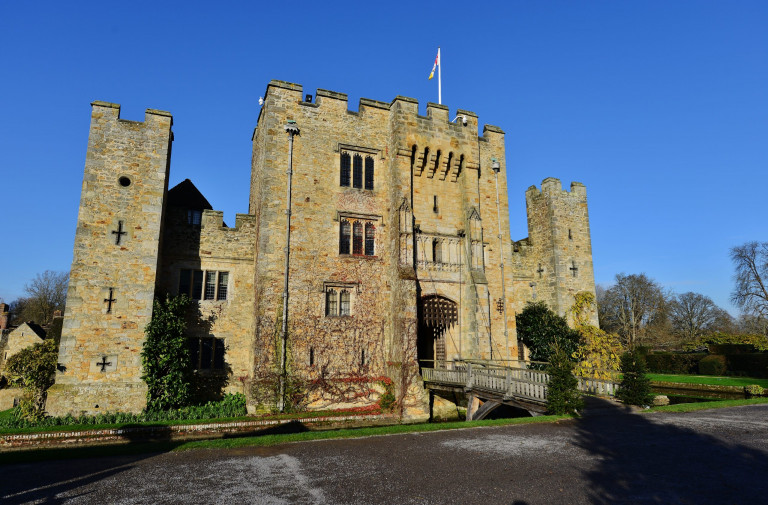
In this episode of The Tudor History & Travel Show, I head to south-east Wales to visit Raglan Castle. Raglan Castle is one of the most impressive late-medieval castles in Wales, located near the village of Raglan in Monmouthshire. Unlike many earlier Welsh castles built primarily for war, Raglan was designed as both a fortress and a luxurious residence. Its distinctive polygonal towers, grand gatehouse, and moated Great Tower (“Yellow Tower”) make it architecturally unique. Construction began in the 1430s under Sir William ap Thomas and was expanded by his son, William Herbert.
Particularly interesting to Tudor enthusiasts, Raglan Castle played a significant role in the upbringing of the future Henry VII. After the Yorkist victory in the Wars of the Roses, the powerful William Herbert became Henry’s guardian. Around the age of four, Henry was brought to Raglan Castle and spent much of his childhood there under the care of the Herbert family. Raglan later passed to the Somerset family, whose members enjoyed favour under both Henry VII and Henry VIII. The castle evolved into an even grander Tudor residence during the sixteenth century.
Tudor Raglan Castle
Raglan Castle stands at the crossroads between a medieval fortress and a Tudor great house. By the 1500s, its owners were less concerned with military defence and more interested in displaying wealth, status and refinement. The castle therefore combines traditional defensive elements with features that reflect the tastes of the Tudor Renaissance.
One of the most impressive Tudor additions was the great oriel window in the Great Hall. This huge projecting window would originally have been filled with expensive glass, flooding the hall with light. In a purely military castle, such a large window would have been a weakness, but in a Tudor residence, it became a symbol of prestige and luxury.
Large glazed windows appear throughout the later parts of the castle. Earlier castles relied on narrow arrow slits and small openings for defence, but Tudor architecture favoured brighter, more comfortable interiors. As glass was costly, these windows also advertised the owner’s wealth to visitors.
Later in the sixteenth century, a long gallery was built at Raglan, a fashionable feature in elite Tudor houses. Long galleries were used for exercise in bad weather, for displaying portraits and tapestries, for entertaining guests, and for conducting private conversations. Their inclusion at Raglan shows how the castle was evolving into a sophisticated aristocratic residence rather than simply a stronghold.
Even the famous gatehouse, with its towers and portcullises, had a strong ceremonial role. Visitors were guided through an impressive sequence of spaces designed to demonstrate the owner’s power and sophistication. In many ways, it functioned as much as a grand entrance to a Tudor palace as much as a defensive structure.
When the young Henry VII lived at Raglan in the 1460s, many of these later Tudor features did not yet exist. He would have known the medieval castle rather than the fully developed Tudor residence. The great oriel window, long gallery, and elaborate gardens were largely added in the sixteenth century by the Somerset family.
During this episode of The Tudor History & Travel Show, I’m accompanied on location by our expert guide, Peter Nash. Having grown up near Raglan, Peter has known the castle for many years. He shows us around the extensive ruins of the castle, sharing its history and links to Henry VII.
Please find below a gallery of accompanying images, taken during my on-location visit. You can listen to the podcast episode here or by clicking the button below:
Listen to the podcast
Raglan Castle Image Gallery
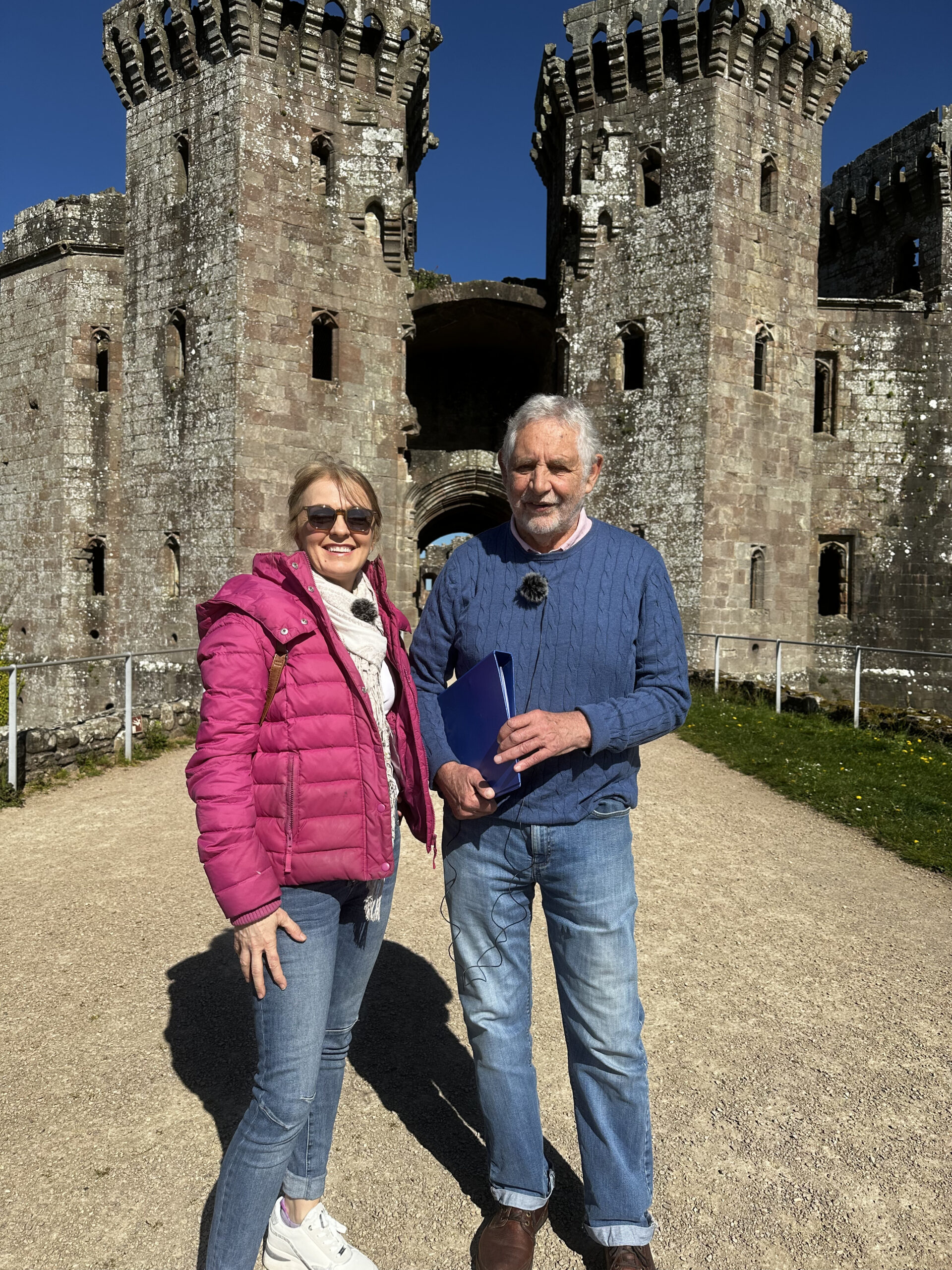
Sarah and Peter outside Raglan Castle
Image © The Tudor Travel Guide
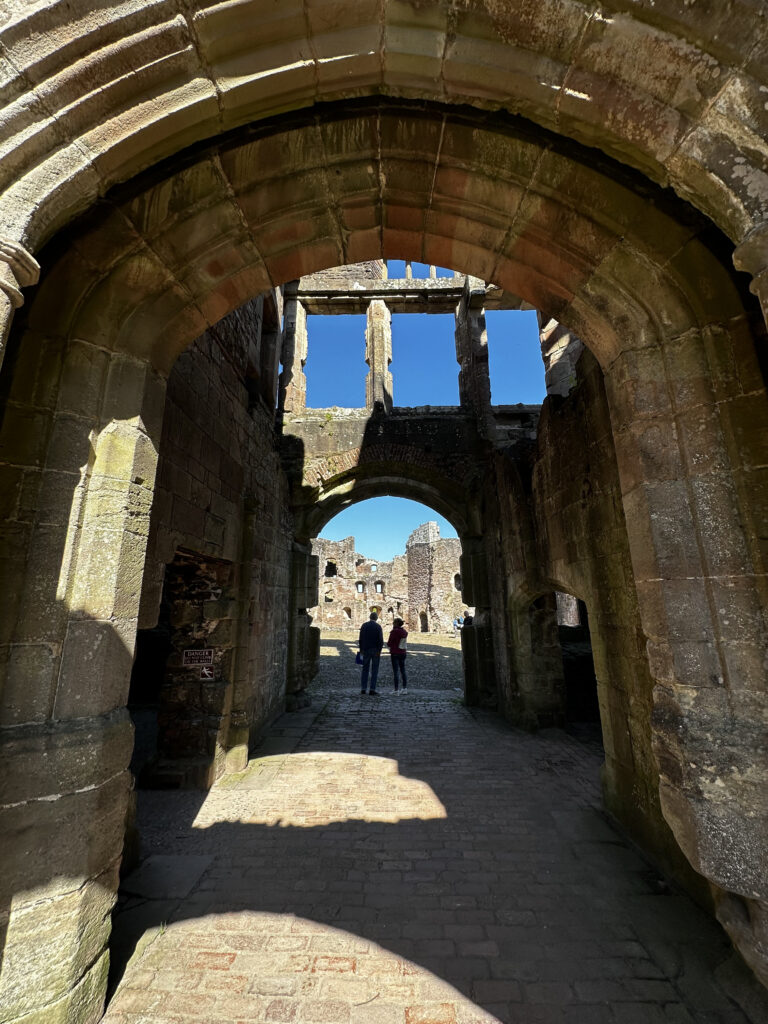
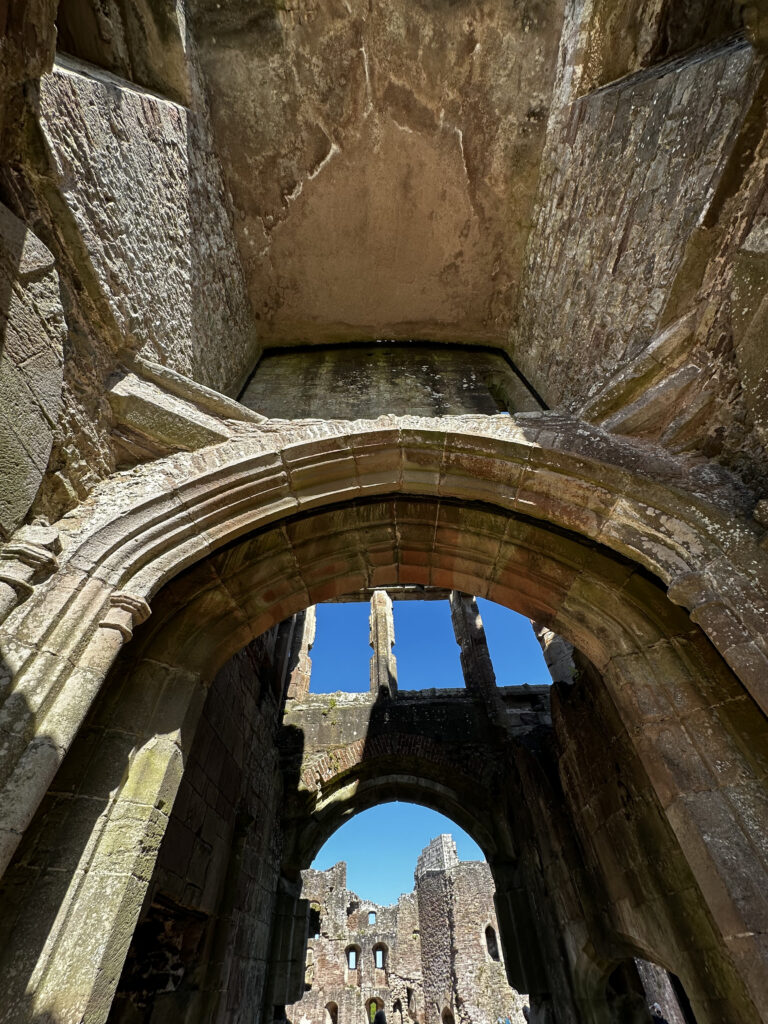
Walking through the gatehouse
Images © The Tudor Travel Guide
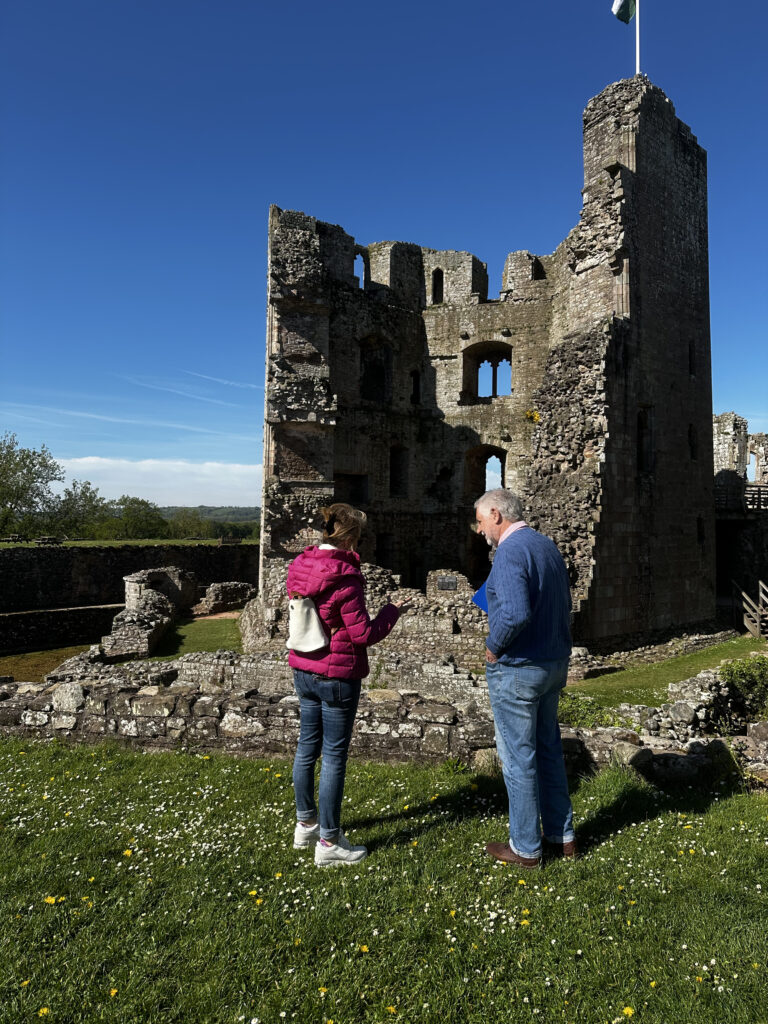
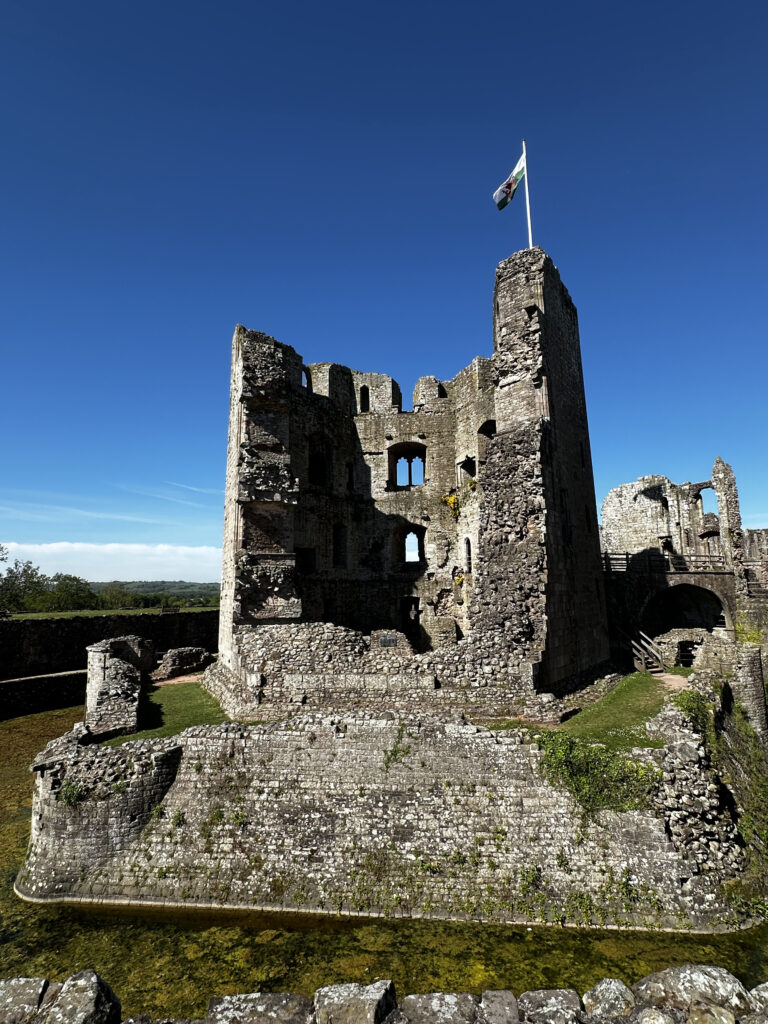
The Great Tower at Raglan
Images © The Tudor Travel Guide
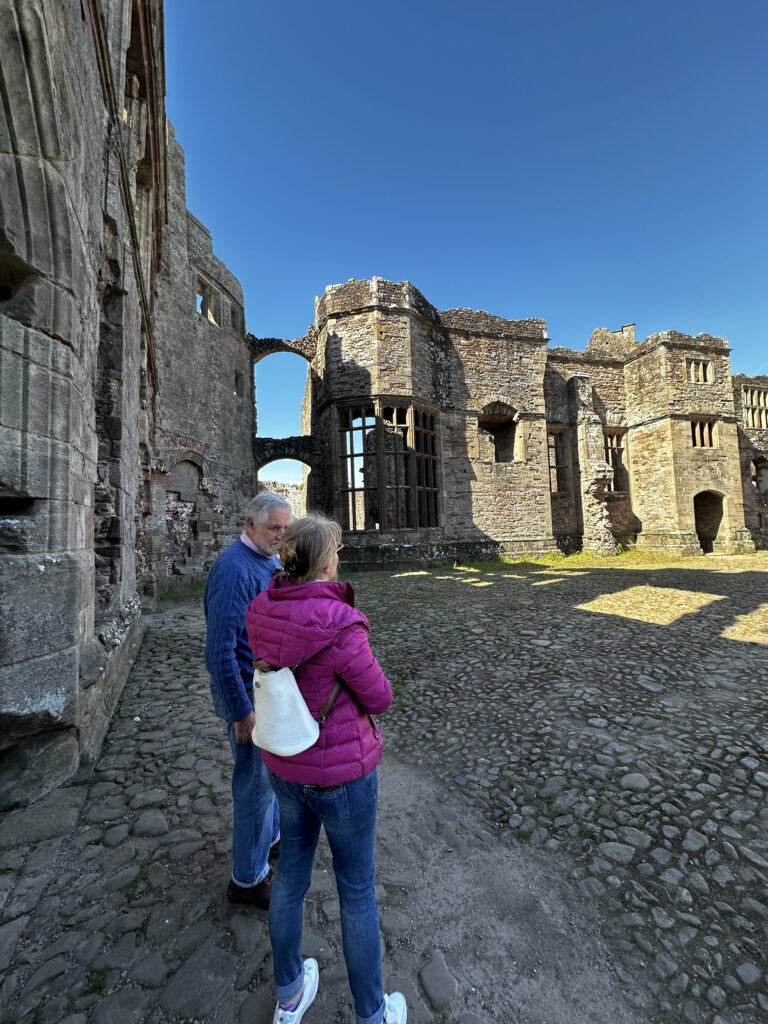
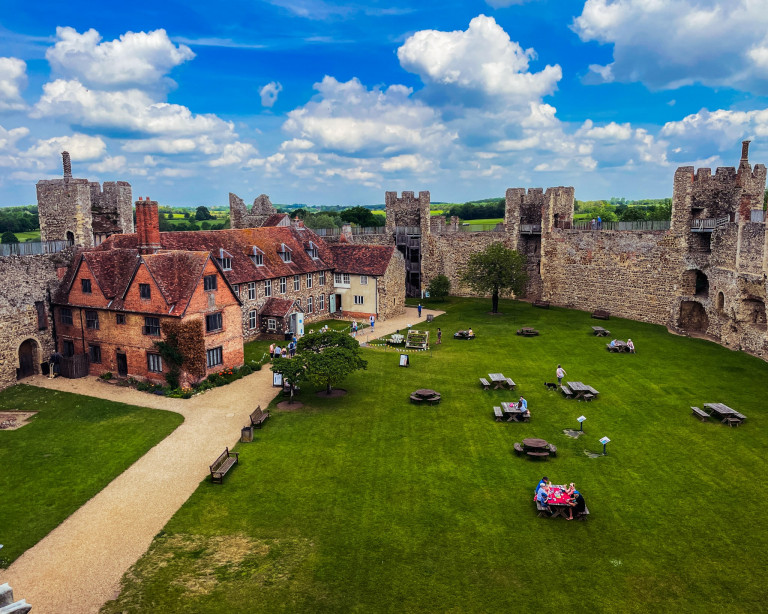
The Pitched Stone Court at Raglan.
Image © The Tudor Travel Guide
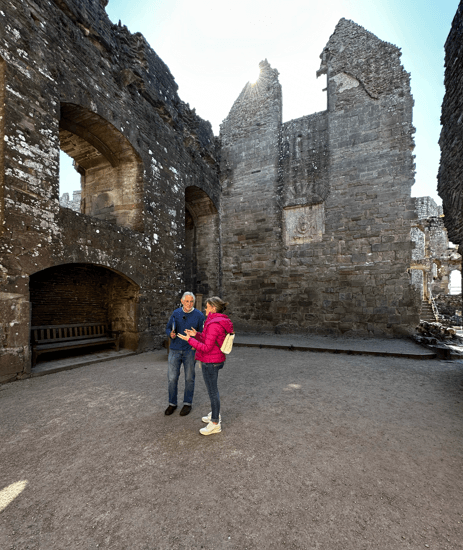
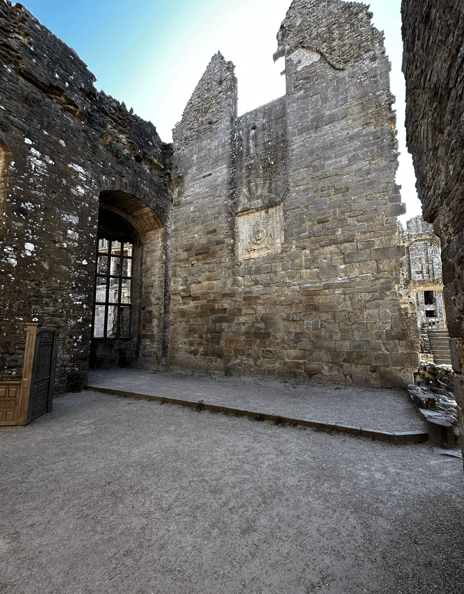
The Great Hall at Ragan
Images © The Tudor Travel Guide
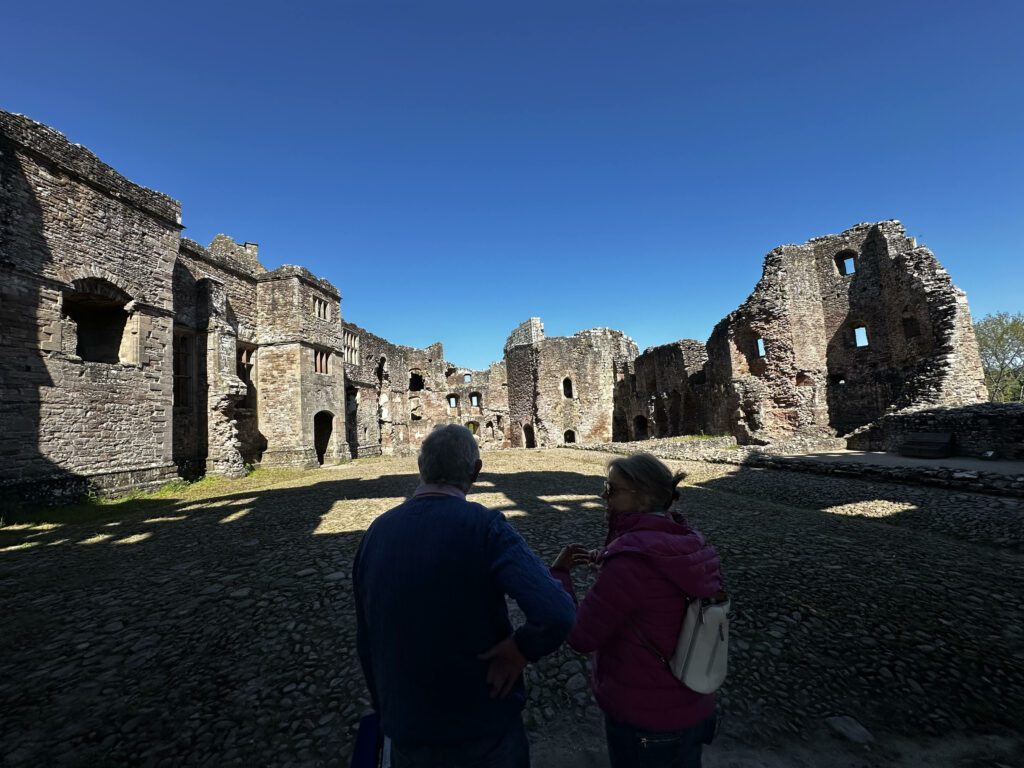
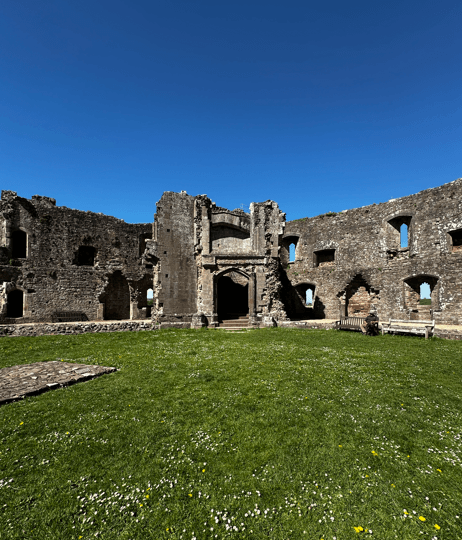
Left: View across Pitched Stone Court, with the porched entrance to the Great Hall on the left and the entrance to the kitchens at the far end of the court. Right: Fountain Court with its grand processional stair leading up to the guest lodgings.
Images © The Tudor Travel Guide
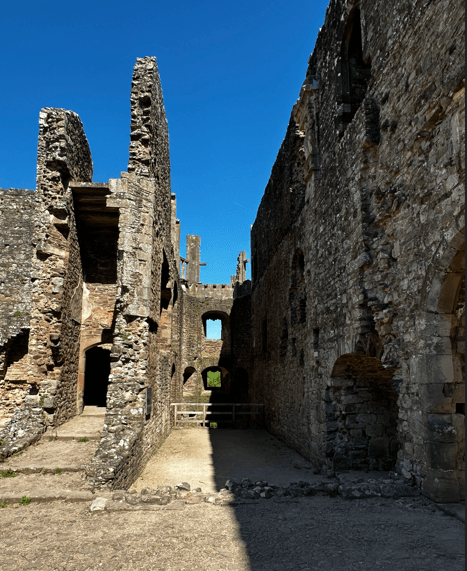
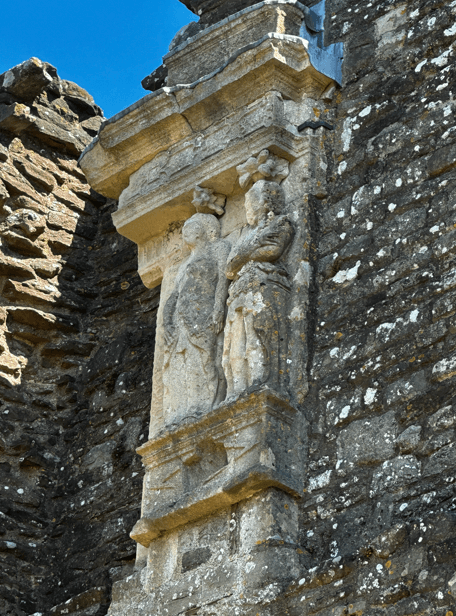
Views of the long gallery.
Left: The ragged remains of the large window are visible at gallery height on the top floor. Right: Detailed carved figures that once decorated the interior of the gallery now lie exposed to the elements.
Images © The Tudor Travel Guide
Useful Links
Visiting information for Raglan Castle is here.
A few years ago, I created a video called How To Read A Tudor House. It was recorded at Raglan. You can watch it here.
If you have a few days in the area, my itinerary A Tudor Weekend in Monmouthshire here may be of interest.
You can find out more about Raglan Castle’s history in this blog, which is part of a series following the 1502 progress of Elizabeth of York and Henry VII. I’m soon heading off to host a Simply Tudor Tours tour following this progress – you can find out more here and join the mailing list to hear about future tours here.