Follow in the Footsteps of Tudor Royalty!
Discover inspiration for your next Tudor road trip based on our collection of places associated with notable Tudors.
Follow in the Footsteps of…
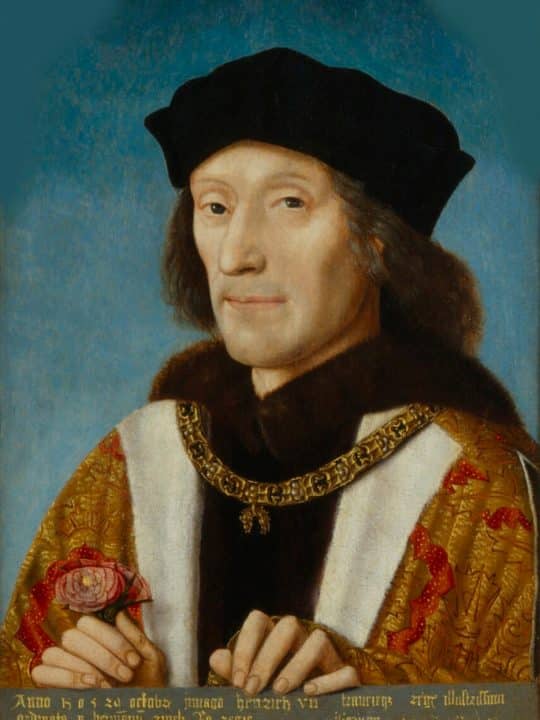
Follow Henry VII in this first progress of the new Tudor dynasty. As the dust settles from the brutal shift of power from York to Lancaster, England’s new king sets out to stamp his authority on the unruly North.
We follow Henry on the outward leg of the progress from St John’s Priory in London to the capital of the North: York.
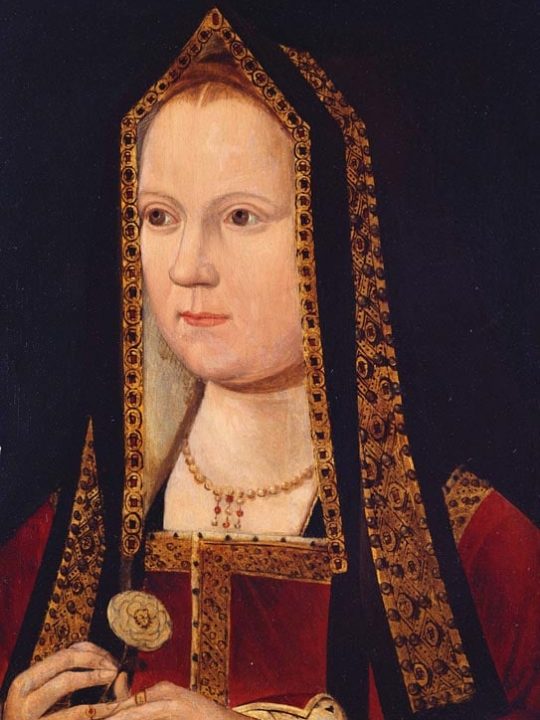
In the last summer of Elizabeth’s life, this first and much-loved Tudor queen set out on progress with her husband, Henry VII. We follow the royal couple’s unusual progress to the south-west, from Woodstock in Oxfordshire to Raglan Castle in Monmouthshire and back again. Along the way, we explore the reasons behind this unique journey, which reads less like a progress and more like a trip down memory lane!
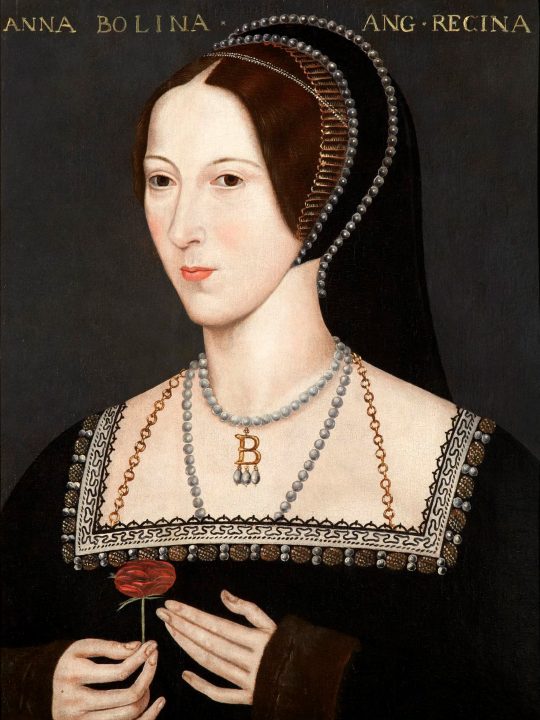
The 1535 progress is sometimes called ‘The Reformation Progress’ with Henry VIII and Anne Boleyn seeking to honour courtiers loyal to the King and his chosen wife. It also saw the consecration of three Reformist bishops and the beginning of Cromwell’s ‘visitations’ of the smaller monasteries. Prepare for an epic 3-month journey through Berkshire, Oxfordshire, Gloucestershire, Wiltshire and Hampshire.
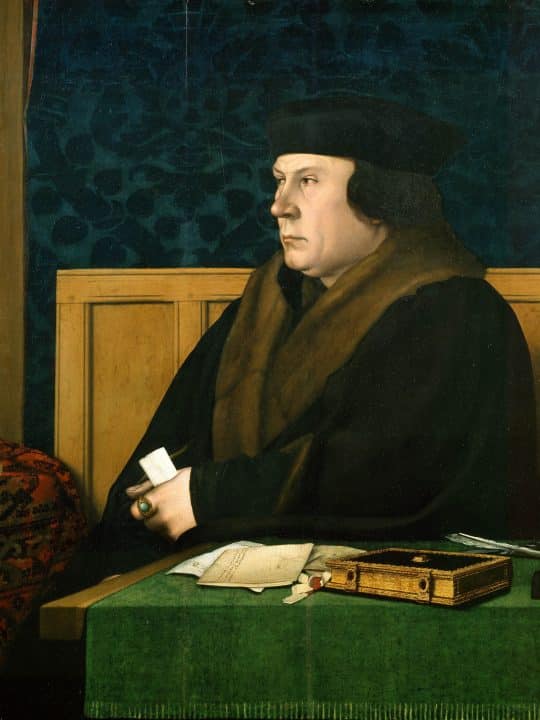
Thomas Cromwell is the Tudor character we hate and admire in equal measure. He was the architect of the Dissolution of the Monasteries and famously the principal protagonist in the downfall of the Boleyn faction. He was also a master statesman and shrewd operator. During his rise at the Henrician court, he garnered titles, status, and wealth and, as a result, came to own an impressive property portfolio. The most important of these are detailed in this section.
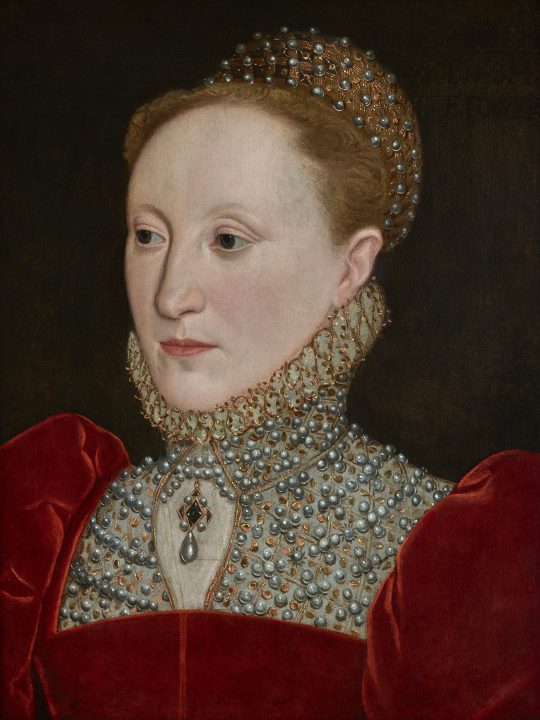
COMING 2025!
In the summer of 1575, Elizabeth participated in one of the most celebrated events of her reign. She spent around three weeks as the guest of her childhood friend, Robert Dudley, Earl of Leicester, at his Warwickshire home of Kenilworth Castle.
We follow the progress and unpick the events surrounding Dudley’s last-ditch attempt to win Elizabeth’s hand in marriage in this most well-known of all Queen Elizabeth’s extensive progresses.
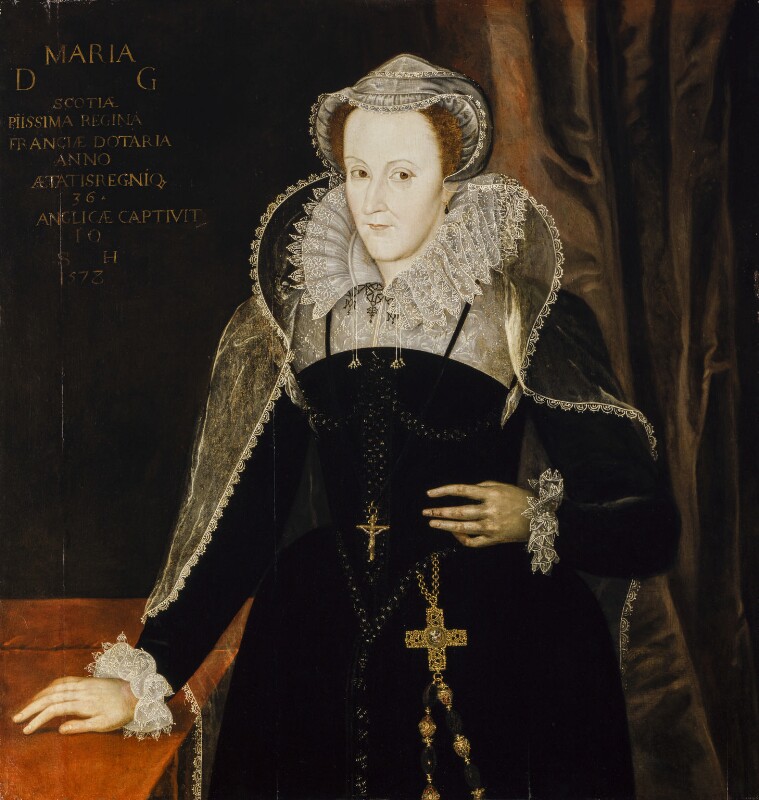
Mary, Queen of Scots: Crowned at six days old, she held the promise of a glorious reign over Scotland and France. But tragedy marked her life: her first husband’s early death, her tumultuous rule in Scotland marred by conflict with unruly Protestant lords, and her eventual forced abdication. Fleeing to England, she became Elizabeth I’s prisoner for 20 years, until her execution in February 1587. Click to explore the key locations of her remarkable journey.
Latest Blog Posts
Check out the latest posts on the main site.
-
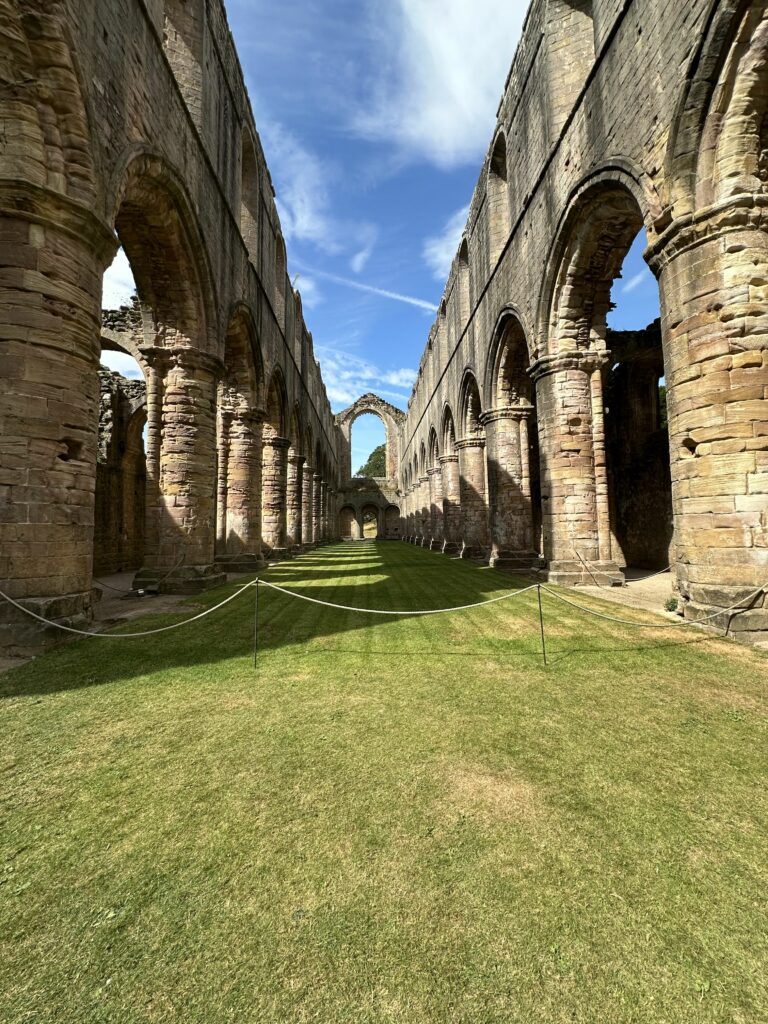
The Fate of Fountains Abbey: From Majesty to Ruin
In this episode of The Tudor History & Travel Show, I visit Fountains Abbey and Fountains Hall in North Yorkshire. Join me to follow the story of one of the wealthiest and most powerful monasteries in the north of England whose fortunes were transformed forever by the religious upheavals of the 1530s.
-
Cheshire · Lancashire · PLACES · Shropshire · Worcestershire
A Three-Day Tour Of The Tudor North-West
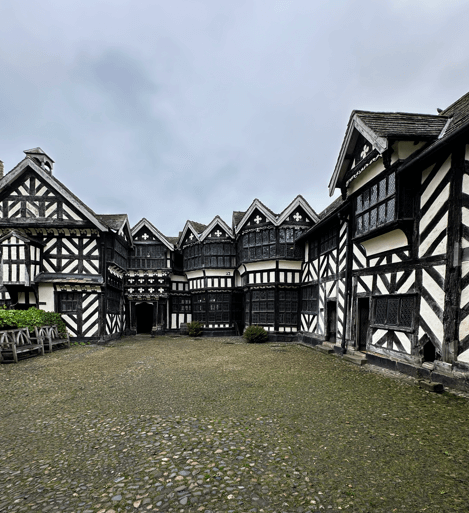
Journey north into the rugged landscapes of Lancashire and Cheshire, where three remarkable Tudor houses reveal a very different side of Tudor England. From the religious defiance of Hoghton Tower and the Catholic secrets of Speke Hall to the extraordinary timber-framed beauty of Little Moreton Hall, discover a landscape shaped by faith, family and political upheaval.
-
Tudor Farmhouse Hotel
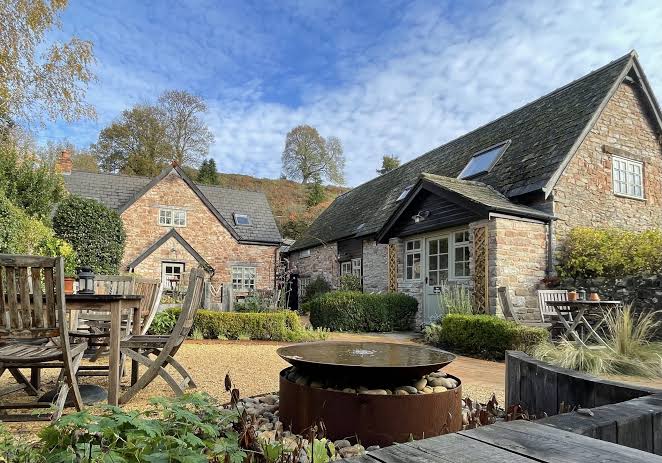
For a truly atmospheric base from which to explore the history of the Forest of Dean and the Tudor story of the Welsh Marches, Tudor Farmhouse in Clearwell is hard to beat. Full of historic charm but with beautifully appointed rooms and a renowned restaurant showcasing locally sourced ingredients, it offers the perfect combination of character, comfort and good food – making it an inviting place to relax after a day of exploring