The Homes of Ordinary Tudors: Life Beyond the Court
Note: This is a show notes page accompanying my on-location podcast, recorded in spring 2026.
In this episode of The Tudor History & Travel Show, I head to the Weald and Downland Museum.
Set within 40 acres of the South Downs National Park near Chichester, the Weald and Downland Museum brings together more than 50 rescued historic buildings dating from the Anglo-Saxon period to the nineteenth century. Rather than displaying objects behind glass, the museum allows visitors to step inside real buildings and experience how ordinary people lived and worked over the course of 1,000 years.
Unlike many historic houses that remain in their original locations, almost every building at the museum has been carefully dismantled from elsewhere in south-east England, transported to Singleton and painstakingly reconstructed. Many of these buildings were under threat of demolition, so the museum has played a vital role in preserving England’s vernacular architecture since it opened in 1970.
Tudor Highlights at The Weald And Downland Museum
The museum recreates everyday Tudor life. Rather than focusing on royalty and nobility, it explores how ordinary farming families cooked, slept, worked and entertained themselves. Several reconstructed gardens chart the evolution of domestic gardening from the early sixteenth century onwards. Visitors can discover the herbs used in Tudor medicine, vegetables grown for the table and ornamental planting typical of different social classes.
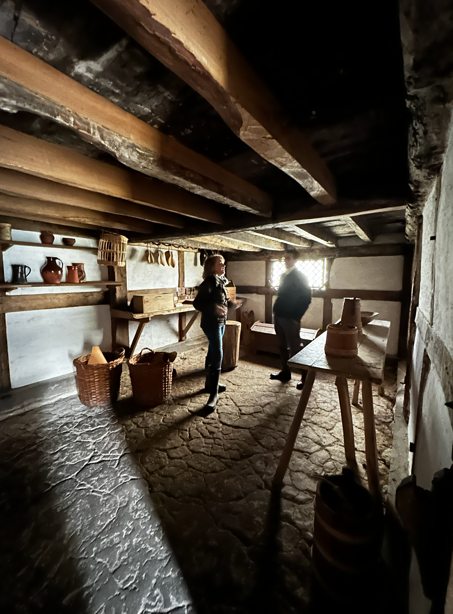
In this episode, we explore the lives of ordinary Tudor people, focusing on two remarkable properties that exemplify sixteenth-century domestic architecture and everyday living: Poplar Cottage and Pendean Farmhouse. Unlike the grand houses of the nobility, we explore these domestic dwellings, which would have been occupied by the “middling sort” – craftsmen, tradespeople, or yeoman farmers during the sixteenth century.
I’m joined by Hannah Miller, Head of Interpretation and Collections at the Weald and Downland Museum, and Roberto Prieto-Labrador, an architectural historian, specialising in historic domestic architecture, vernacular buildings, and the living conditions of the Tudor middling sort.
Please find below a gallery of accompanying images, taken during my on-location visit. You can listen to the podcast episode here or by clicking the button below:
Listen to the podcast
Weald & Downland Image Gallery
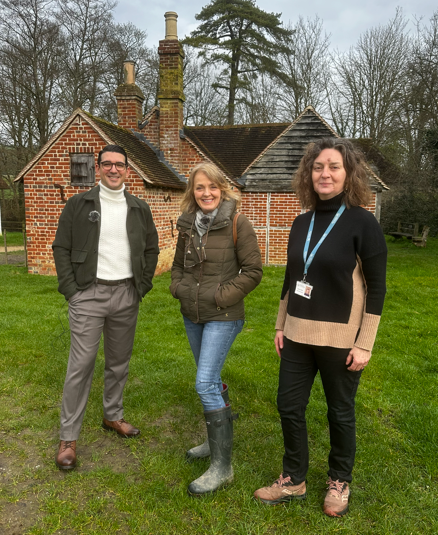
Sarah with Roberto and Hannah.
Image © The Tudor Travel Guide.
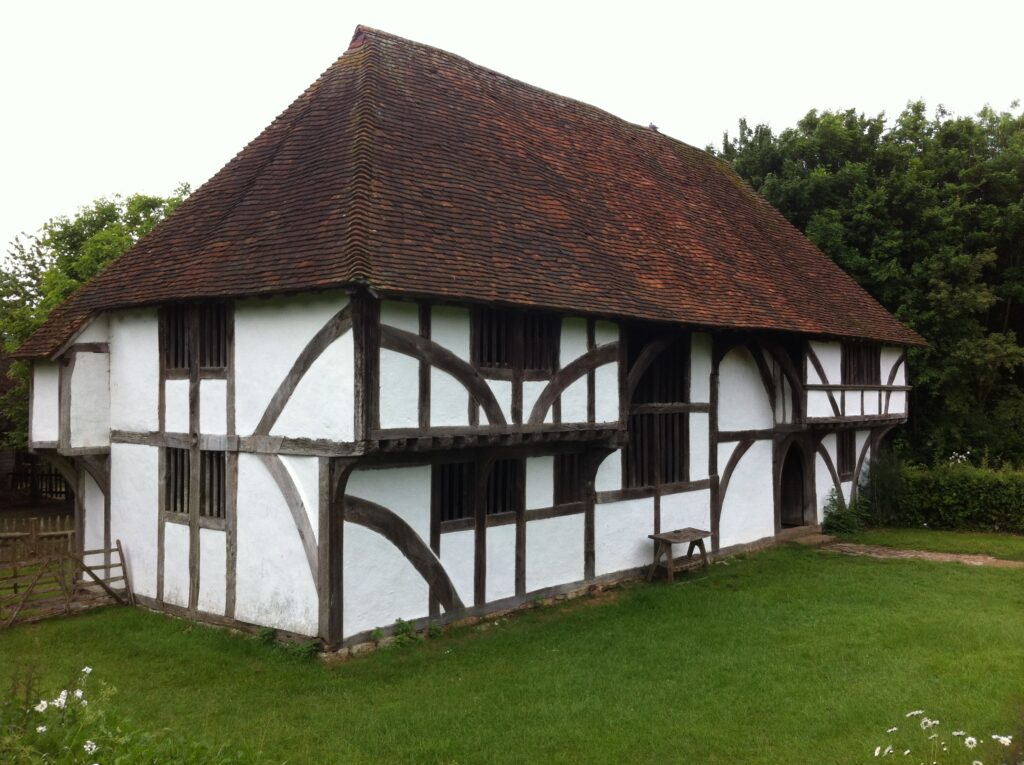
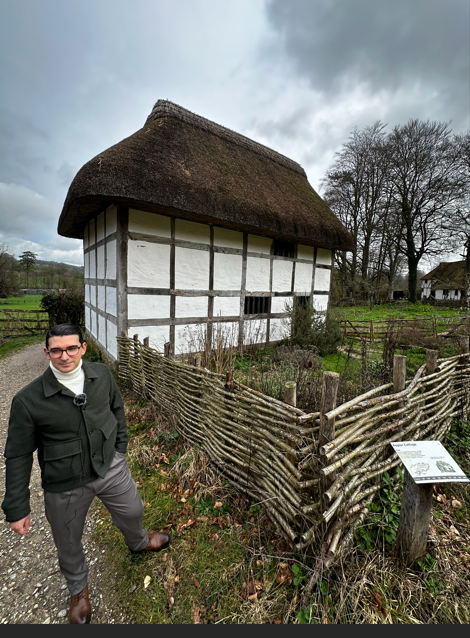
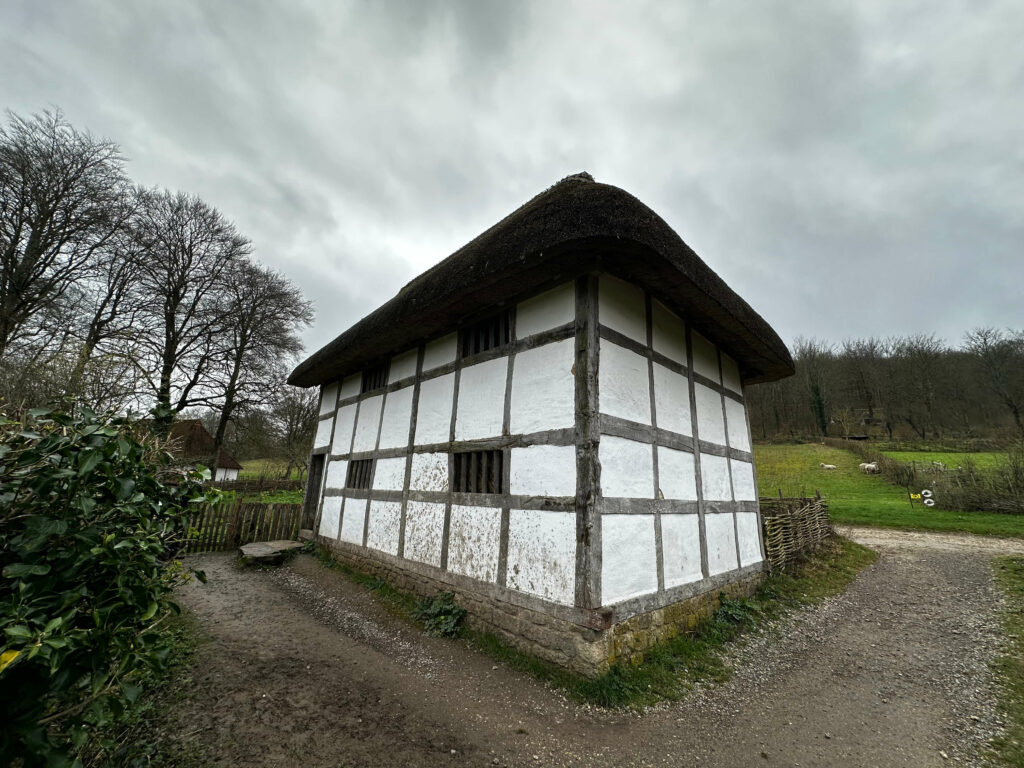
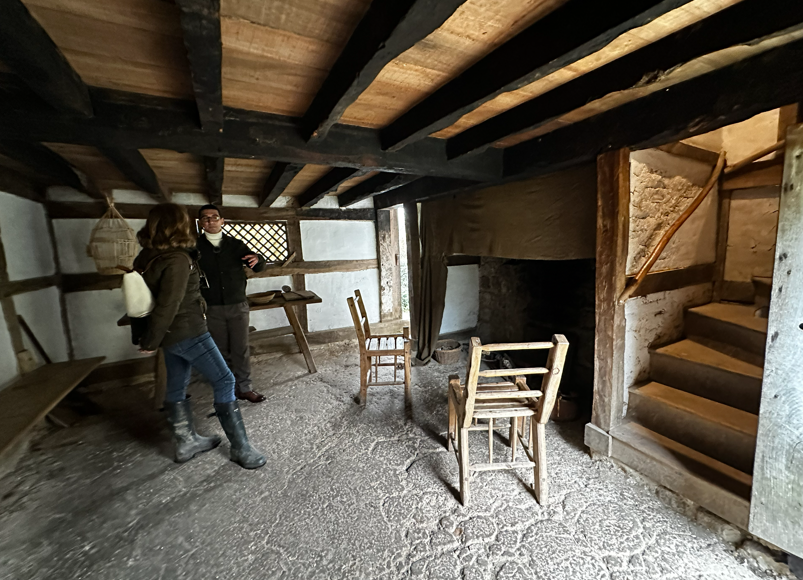
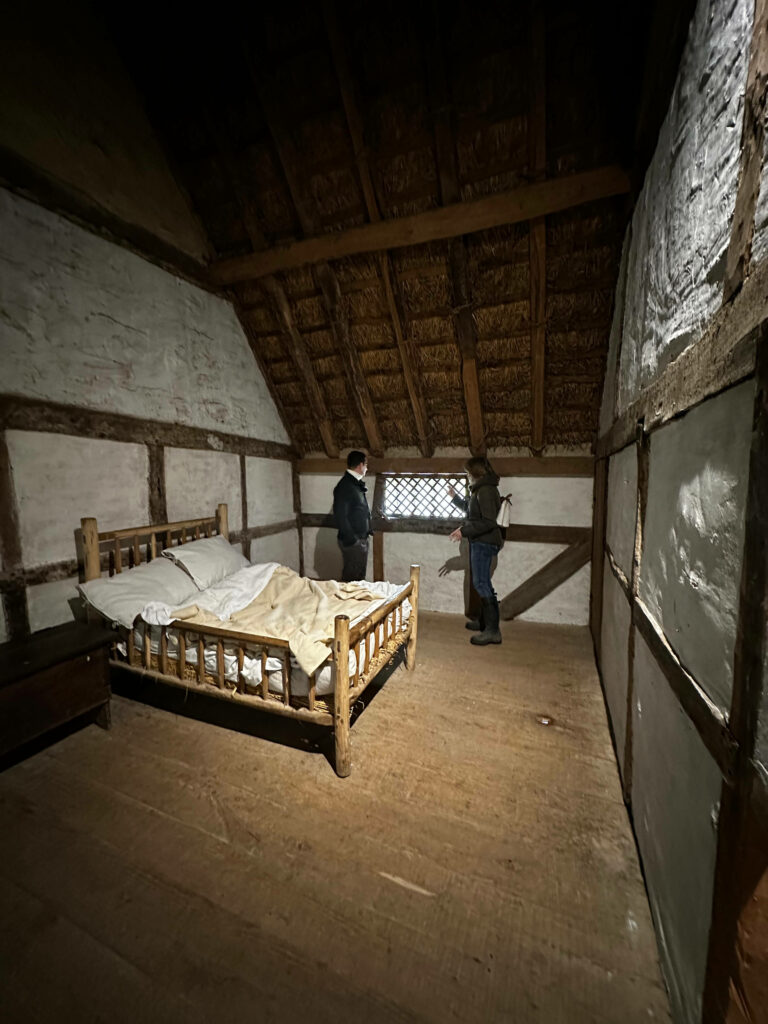
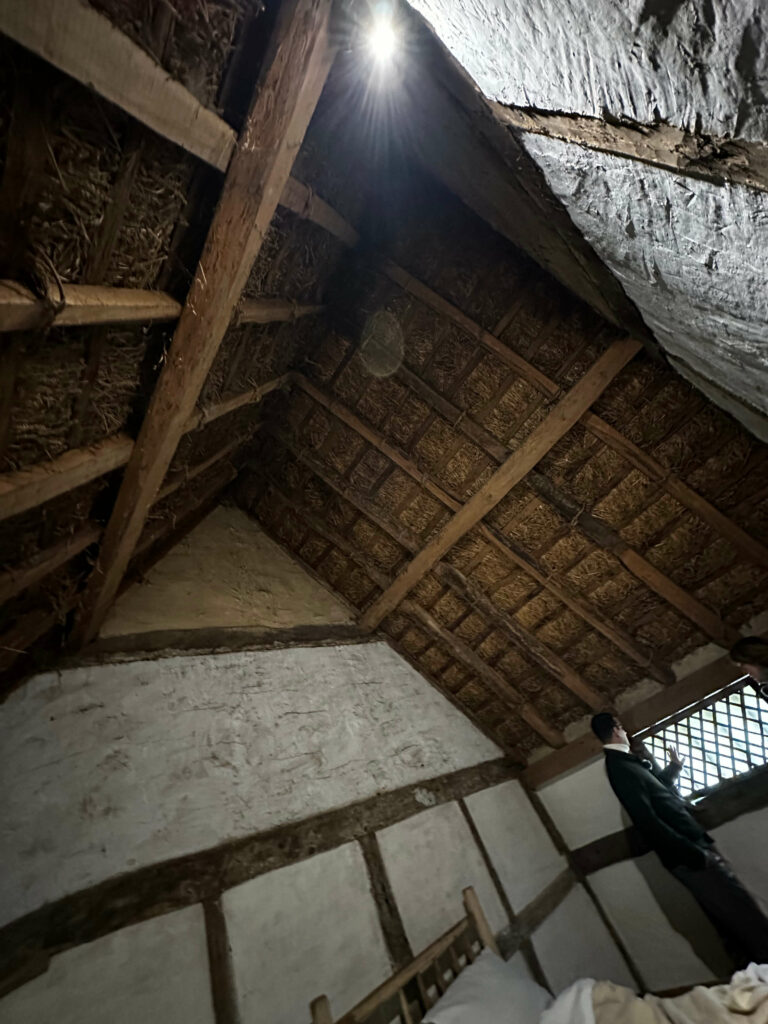
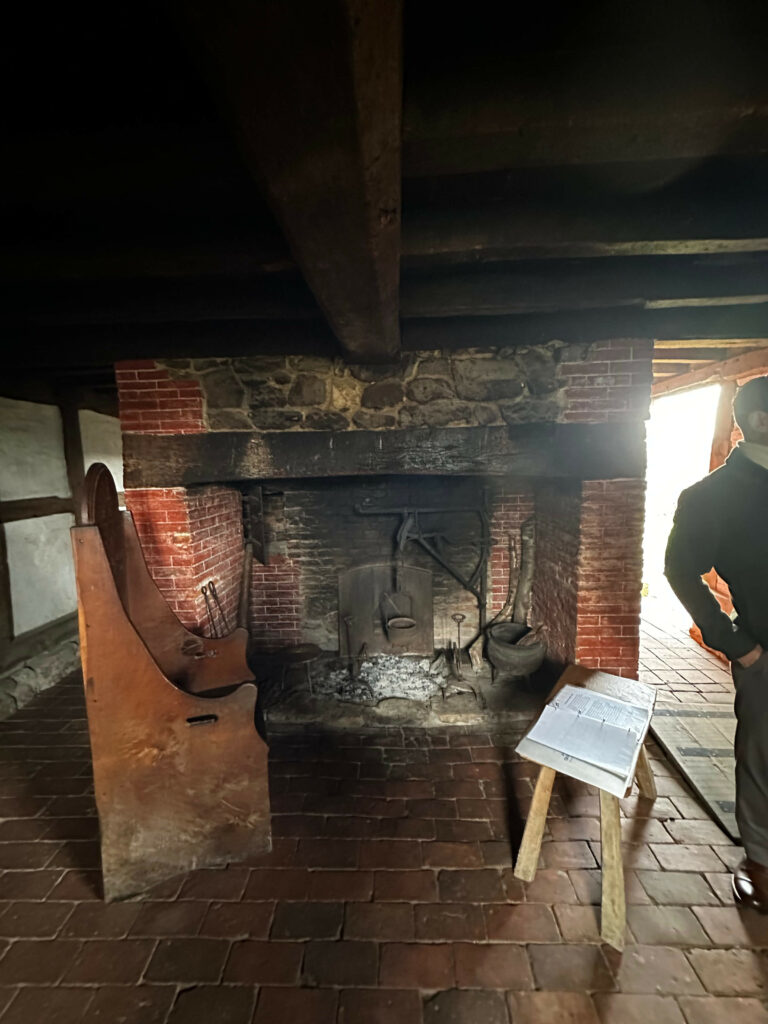
Poplar Cottage, which would probably have been the home of a landless labourer, possibly a craftsman.
It was built in the mid-seventeenth century and has one heated room, and the fireplace is in a smoke bay, an early form of chimney.
Images © The Tudor Travel Guide
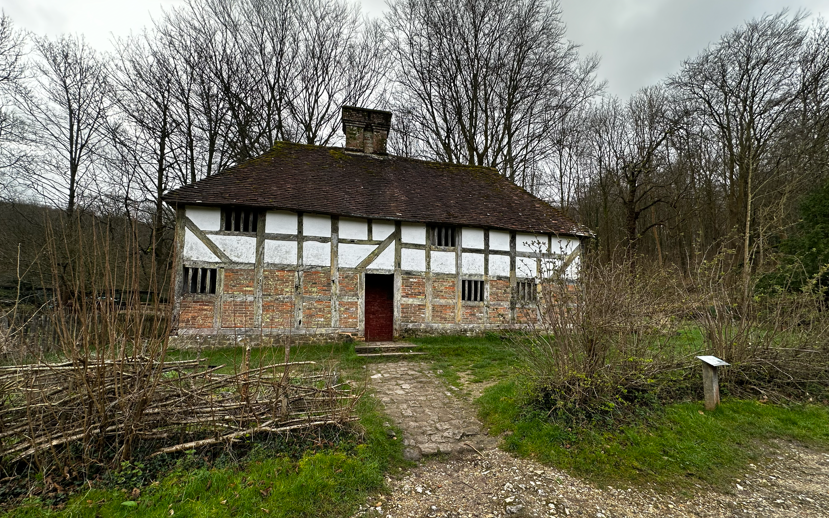
Image © The Tudor Travel Guide.
Images © The Tudor Travel Guide.
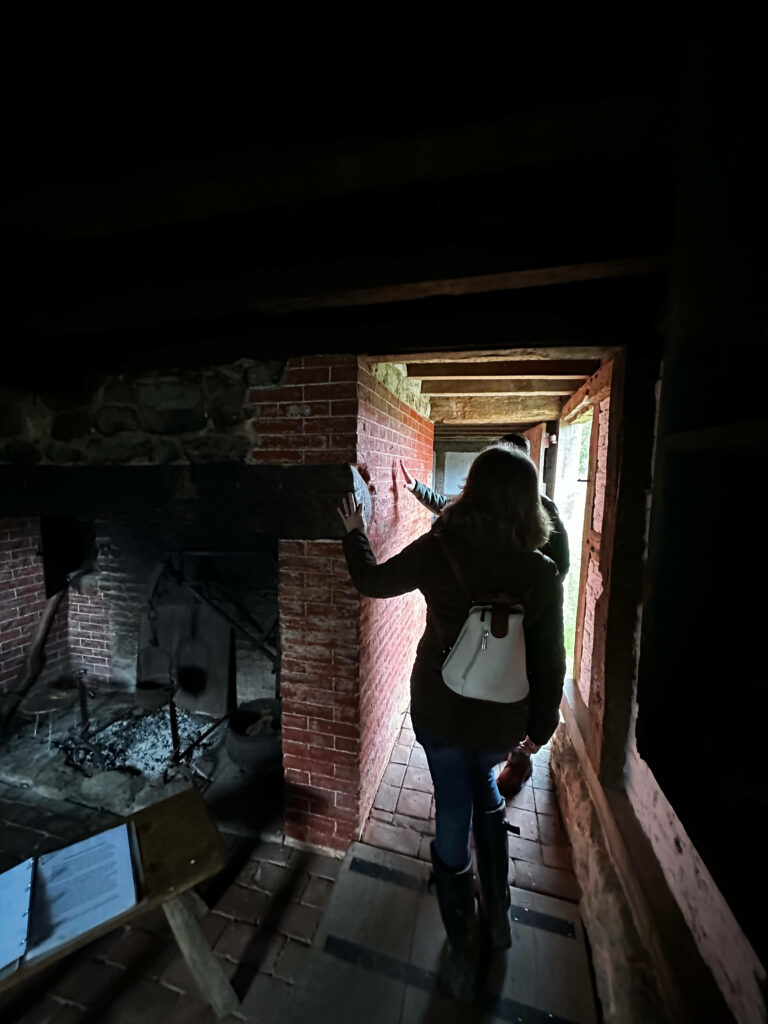
Images © The Tudor Travel Guide
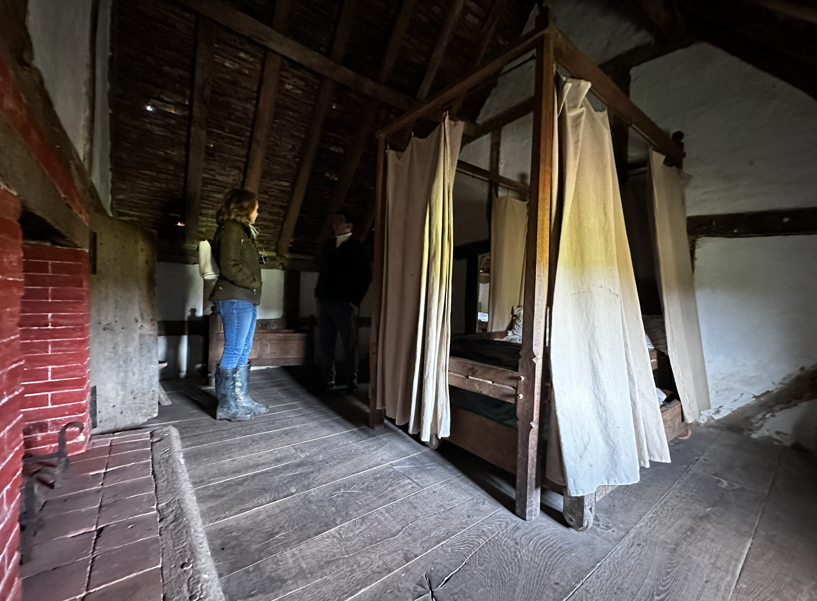
Image © The Tudor Travel Guide.
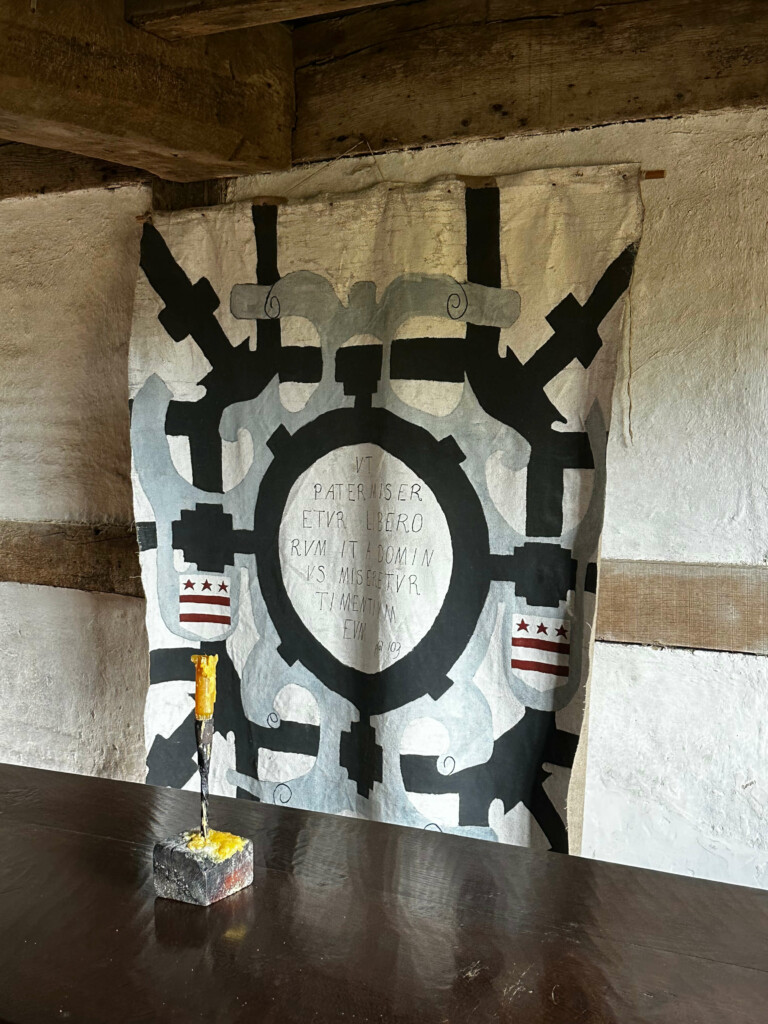
A painted cloth featuring Renaissance and Baroque-inspired decoration, centred on an ornamental medallion bearing a Latin psalm. Painted cloths were a common feature in homes such as this, offering a more affordable alternative to costly woven tapestries while adding colour, decoration and moral instruction to domestic interiors.
Image © The Tudor Travel Guide.
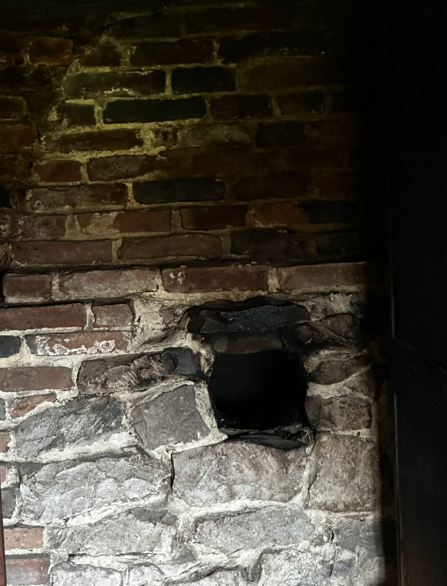
A small wall hatch built into the chimney stack to allow people to hang, check, or retrieve curing meats without going into the main hearth.
Image © The Tudor Travel Guide.
Useful Links
Visiting information for the Weald and Downland is here.
My video, How to Read a Hall House, was recorded at Weald and Downland a few years ago, You can watch the video here.
You can connect with Roberto on LinkedIn here.
Roberto was a guest on Talking Tudors podcast, in an episode, The Homes of the Middling Sort – you can listen here.
If you’re visiting the Weald and Download museum, you may also enjoy:
The Novium Museum (7 miles)
Home to exhibits on Chichester’s history, including Tudor-era artefacts and the development of the city.
Cowdray House Ruins (8 miles)
One of England’s finest Tudor great houses, closely associated with the Tudor court and frequented by Henry VIII and Elizabeth I.
Uppark House (9 miles)
Although rebuilt in the seventeenth century, Uppark stands on the site of an earlier Tudor manor and offers spectacular views across the South Downs.
Parham House and Gardens (17 miles)
One of England’s best-preserved Elizabethan houses, built in 1577 and filled with period furniture and textiles.
Arundel Castle (18 miles)
While primarily medieval, the castle has significant Tudor associations and contains furnishings and collections from the period.