Old Church Farm, Gloucestershire
A Brief Introduction To Old Church Farm
Cover image: Old Church Farm, with kind permission from Old Church Farm.
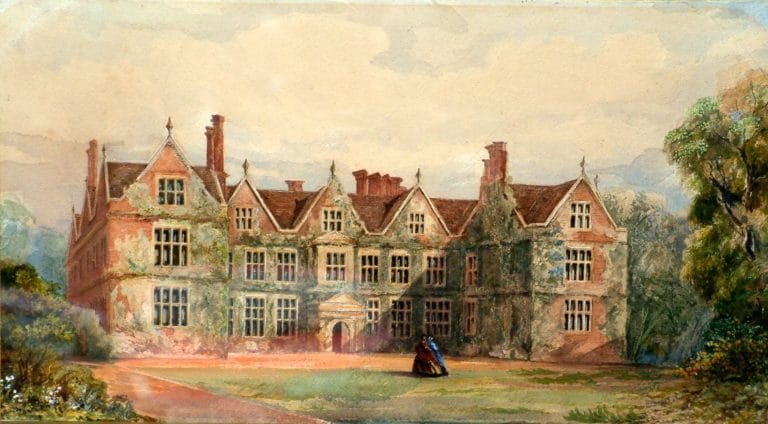
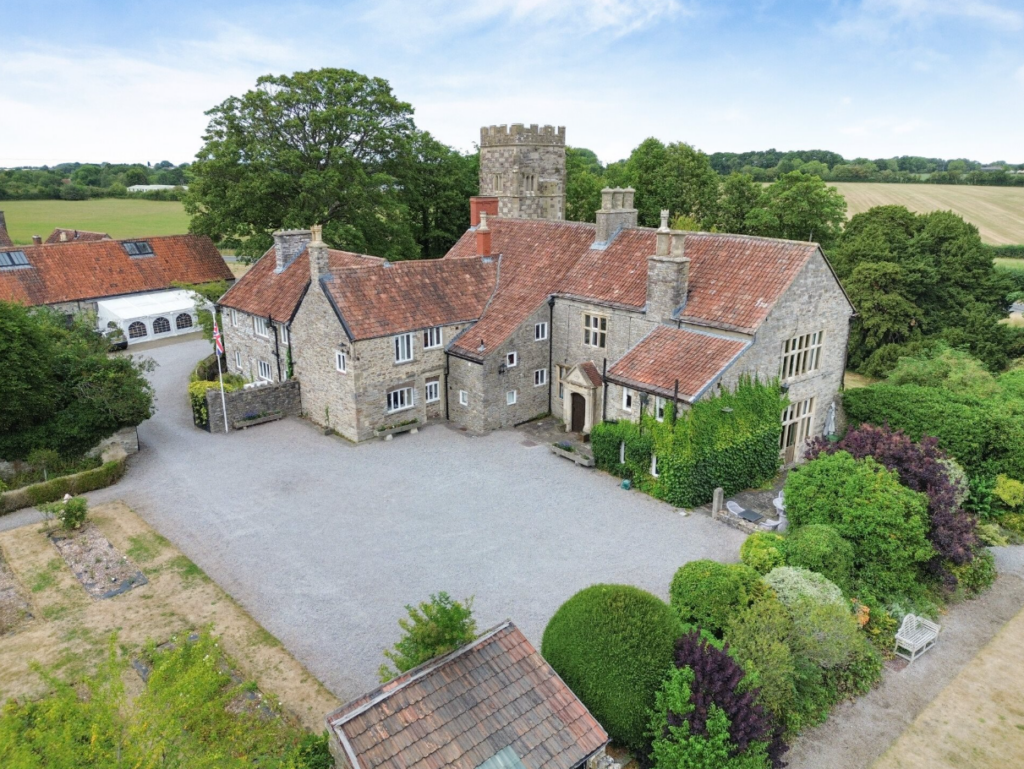
Originally known as Alveston Manor, Old Church Farm has a history stretching back to the medieval period, when it was owned by Harold Godwinson before the Norman Conquest. After 1066 it became a crown estate under William the Conqueror, and later served as a royal hunting lodge. Recently, the property was owned by Rolls Royce plc from 1960, when it operated as a private hotel for visiting dignitaries, before being purchased by the current owners in 2017. Today, the house offers five comfortable en-suite guest rooms, with access to historic interiors including the 35-foot drawing room and a panelled study with its original Tudor ceiling.
Old Church Farm In The Sixteenth Century
In the mid-Tudor period the house was visited by by the antiquary, John Leland. In his Itinerary, compiled between about 1535 and 1543, Leland recorded that the Denys family of Dyrham and Olveston possessed ‘a pretty house two miles from Dyrham at Siston, and another manor and place called Alveston, two miles from Thornbury’.
Later analysis of Church Farm (during restoration work carried out in 1960 by Bristol Siddeley Engines Ltd) suggested that the house did not assume its present internal layout until several decades after Leland’s visit. An historian studying the building at that time observed that certain structural details indicated substantial interior alterations were made relatively late in the reign of Elizabeth I, probably around 1580, the date associated with the decorated ceilings in the study and drawing room.
In the late sixteenth and early seventeenth centuries the house was significantly enlarged and redecorated. The study received an ornate plaster ceiling, possibly along with part of the drawing room, featuring motifs chosen by the owner, including the Tudor rose symbolising the union of Lancaster and York, a pelican representing self-sacrifice, and a stylised marquis’s coronet. At the same time, structural changes were made: a double chimney breast was added in the former screen passage (only the study fireplace remains), a wall created a private parlour between the present study and dining room, and a second kitchen was built to the southeast of the lounge – traces of which can still be seen in the exterior wall and terrace garden.
You can find out more about the history of Old Church Farm here, and more on its architectural history here.
Stay At Old Church Farm
Today, Old Church Farm operates as a boutique-style country retreat with elegant rooms and landscaped gardens in a peaceful rural setting. This refined, relaxed accommodation it ideal for a quiet getaway, with the added charm of staying somewhere that has evolved over centuries.
For a truly special stay, check out ‘The Snug’ (pictured bottom left below) which features an ornate sixteenth-century plaster ceiling, created by Italian craftsmen. The walls are panelled with oak which was removed from the church.
Located in Gloucestershire, Old Church Farm is the perfect base for exploring the Tudor Cotswolds.
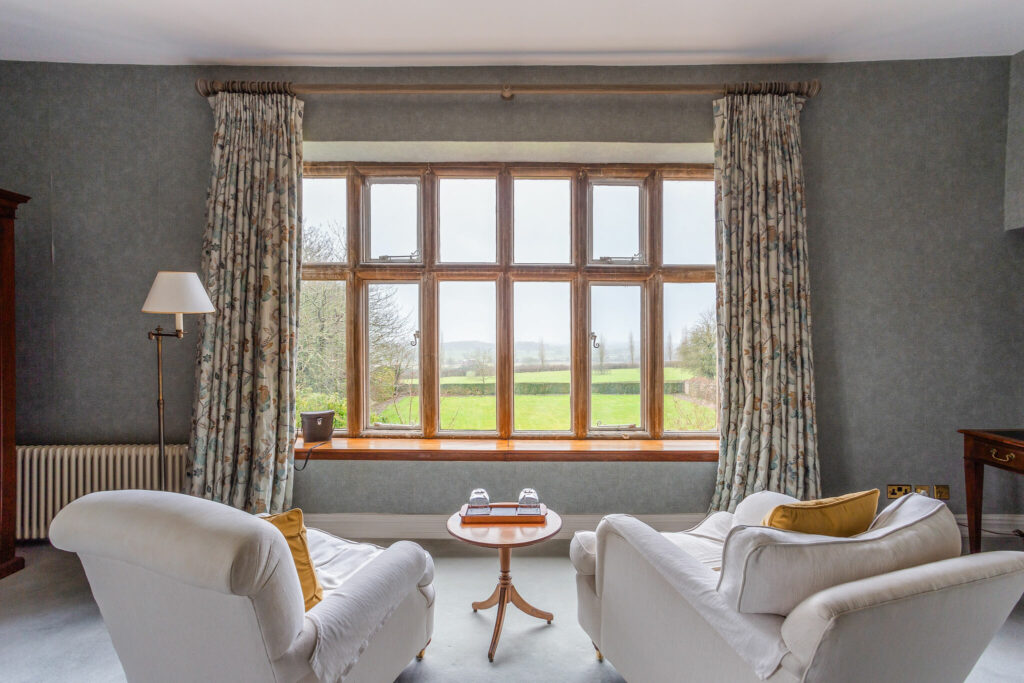
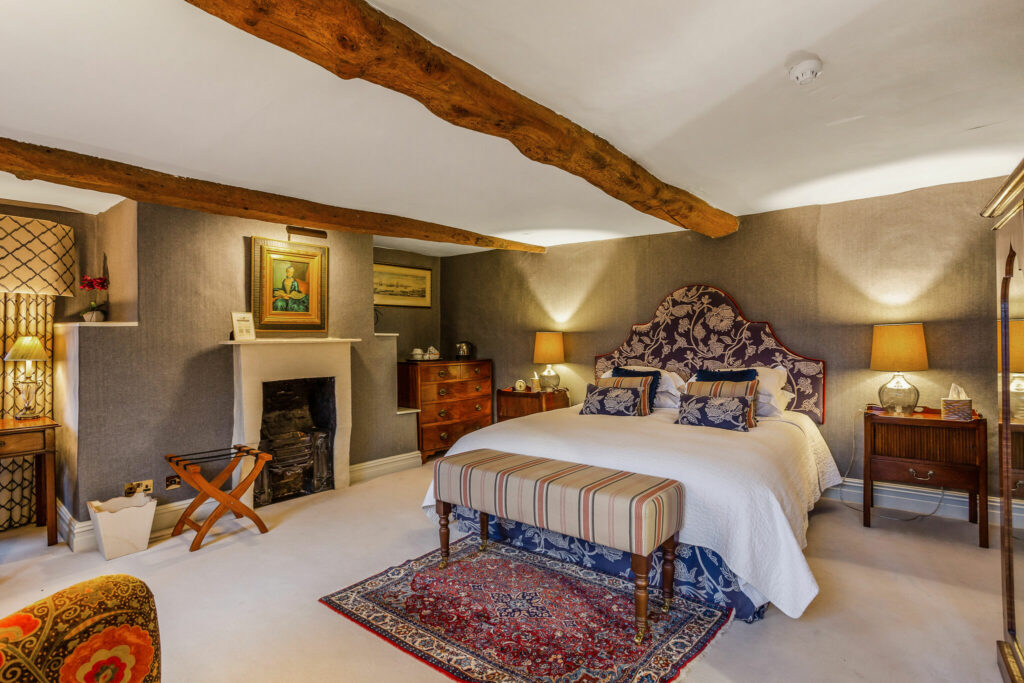
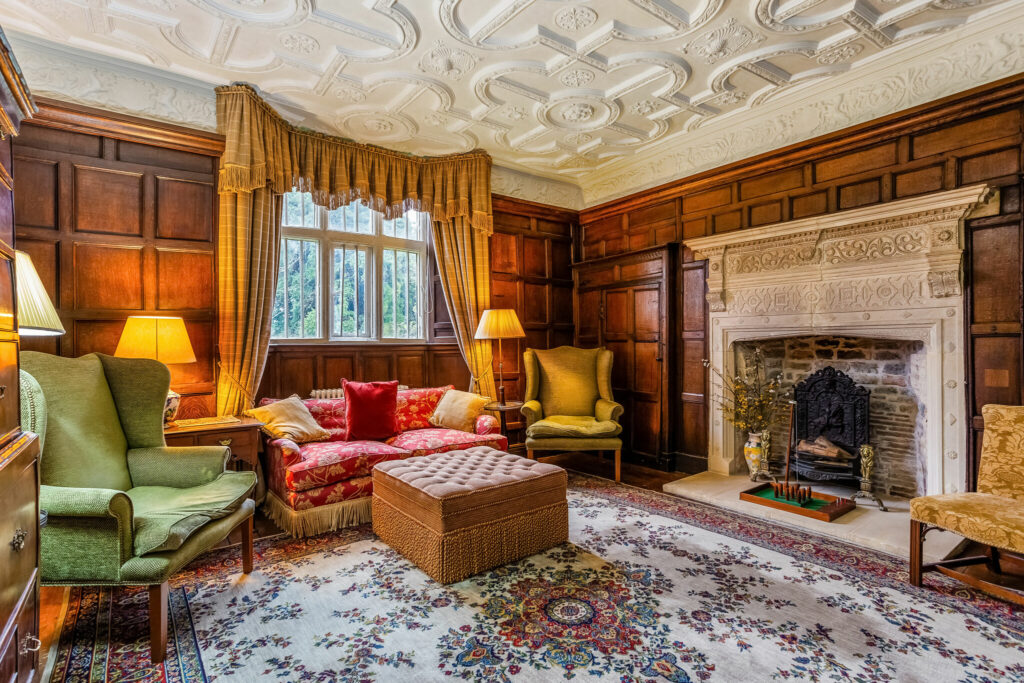
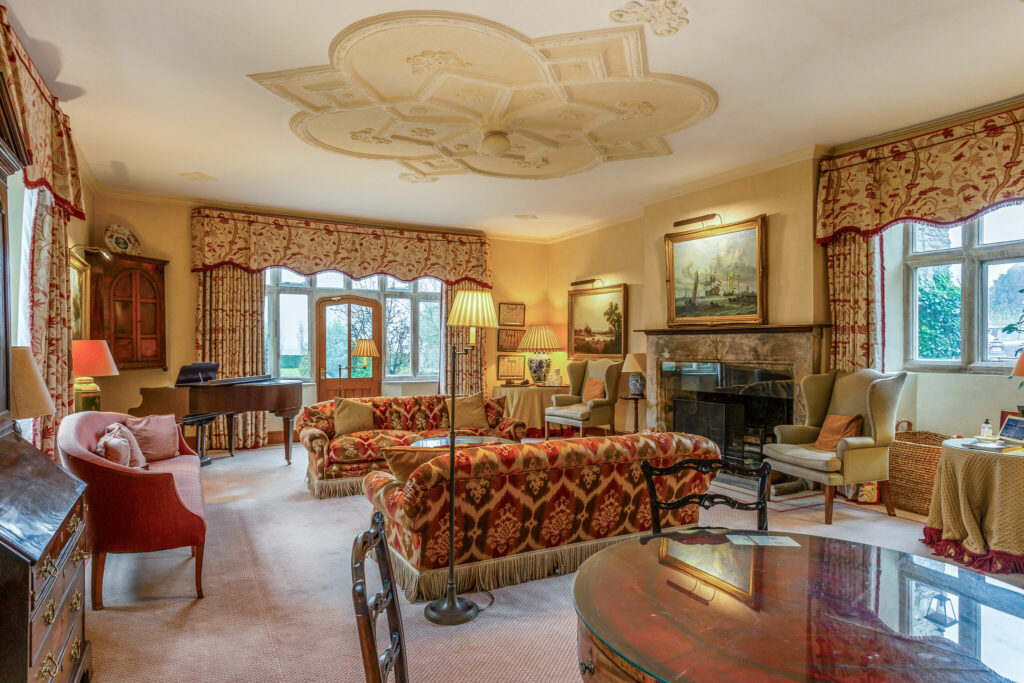
Images of Old Church Farm, © Old Church Farm.
Historic Properties Nearby
If you would like to explore the area, check out my three-day itinerary for the Tudor Cotswolds here.
Visitor Information
Contact Details: Book using the online contact form here or call +44 (0)77 9494 89 88.
Address: Old Church Farm, Church Road, Rudgeway, Bristol BS35 3SQ. The property recommend that you do not use the postcode to get there, and instead either use Google Maps (search Old Church Farm, Rudgeway) or What3words (///leans.watches.punctuate).