Fancy a Day Trip?
If you only have one day available, find inspiration for your road trip here…
Explore Tudor History by Location…
In this section, you will find ideas for Tudor days out to cities, towns or individual locations, which are steeped in Tudor history. Unlike the ‘Itineraries by Person’ section of this membership, which follows in the footsteps of various Tudor progresses and explores the history of individual locations in detail, this section is meant to provide an overview of the places featured. You will find a brief history of the location in question and pointers towards the best Tudor buildings to visit within our towns and cities or the most exciting/relevant features or artefacts to look out for in individual properties.
Scroll down to find inspiration to plan your next adventure in time!

Canterbury lies about sixty miles southeast of London in the heart of the picturesque county of Kent. An important medieval city, Canterbury was significant to the Tudors, with visits from Henry VII, Henry VIII, Anne Boleyn, Anne of Cleves and Elizabeth I.
Wandering its cobbled streets and ancient walls, a goodly slice of medieval and Tudor Canterbury can still be enjoyed today

The mighty palace-fortress sits atop the White Cliffs of Dover and is an iconic symbol of English sovereignty.
Although it is a medieval castle built by Henry II 1179–89, Dover has strong connections with the Tudor era and was visited by Henry VIII, Charles V, Anne Boleyn and Anne of Cleves.
There is so much to see at Dover Castle, which covers 900 years of history; you will have a full day out on your hands!

This fourteenth-century castle was famously the childhood home of Anne Boleyn when the family made Hever its principal residence in 1505.
Although the Astors renovated the castle in the late nineteenth/early twentieth century, much of the original layout remains intact. Hever also has extensive gardens and a fabulous collection of Tudor portraits and artefacts, making for a great day out.

Cambridge lies about sixty miles from London and has been a leading European university city since its foundation in 1209 when scholars from Oxford migrated to Cambridge to escape Oxford’s riots of “town and gown” (townspeople versus scholars). It flourished as a centre of learning through the medieval and Tudor periods (when most of the colleges were founded or completed), some of them by behemoths of the Tudor age, including Henry VII, Margaret Beaufort and Henry VIII.

Arundel Castle is a historic castle and stately home located in the town of Arundel in West Sussex, England. It is one of the country’s most iconic and well-preserved medieval castles and the ancestral seat of the Howard family, the Dukes of Norfolk. A majestic building perched upon its rocky prominence and imprinted against the West Sussex skyline, Arundel is right up there in my top five favourite castles to visit in the UK.

The Old Palace of Hatfield was one of the most significant places in Elizabeth I’s life. It was to Hatfield that the 3-month-old princess was brought from London to establish her first household under the watchful eye of Sir John and Lady Shelton, the uncle and aunt of Anne Boleyn. Some twenty-five years later, it was reputedly while sitting under the gnarled oak tree in the Great Park at Hatfield that Princess Elizabeth heard of the death of her sister, Mary, and, therefore, of her accession to the throne of England.

The Mary Rose Museum is one of the country’s most fascinating and well-presented museums of our time. We are lucky that it happens to be an incredible time capsule, a window onto everyday Tudor life, as much as it is a part of England’s naval history. Nearby Southsea Castle is where Henry VIII watched the Mary Rose sink under the waters of the Solent.

Latest Blog Posts
Check out the latest posts on the main site.
-
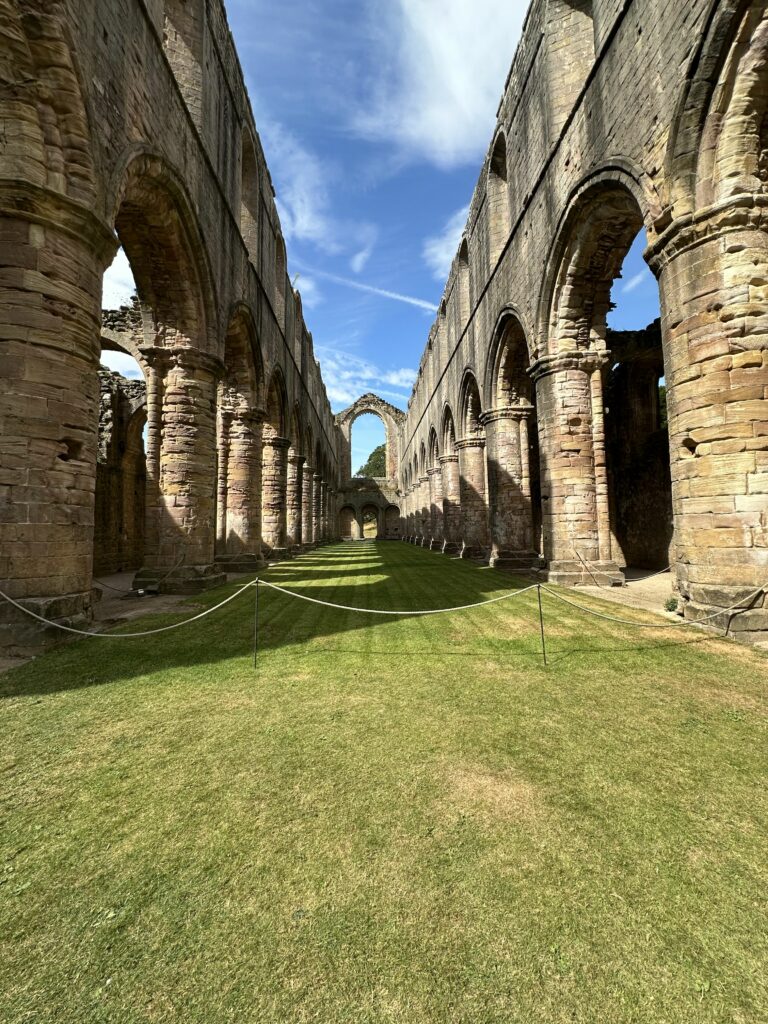
The Fate of Fountains Abbey: From Majesty to Ruin
In this episode of The Tudor History & Travel Show, I visit Fountains Abbey and Fountains Hall in North Yorkshire. Join me to follow the story of one of the wealthiest and most powerful monasteries in the north of England whose fortunes were transformed forever by the religious upheavals of the 1530s.
-
Cheshire · Lancashire · PLACES · Shropshire · Worcestershire
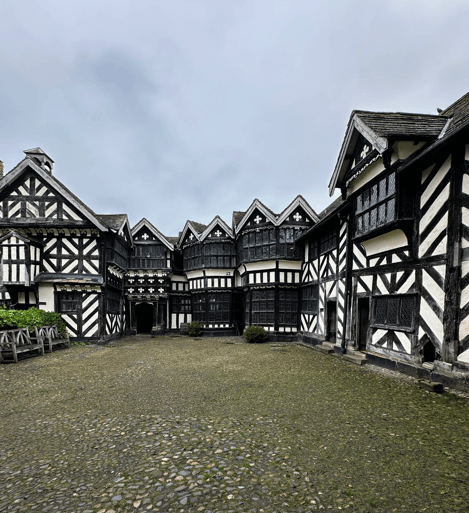
A Three-Day Tour Of The Tudor North-West
Journey north into the rugged landscapes of Lancashire and Cheshire, where three remarkable Tudor houses reveal a very different side of Tudor England. From the religious defiance of Hoghton Tower and the Catholic secrets of Speke Hall to the extraordinary timber-framed beauty of Little Moreton Hall, discover a landscape shaped by faith, family and political upheaval.
-
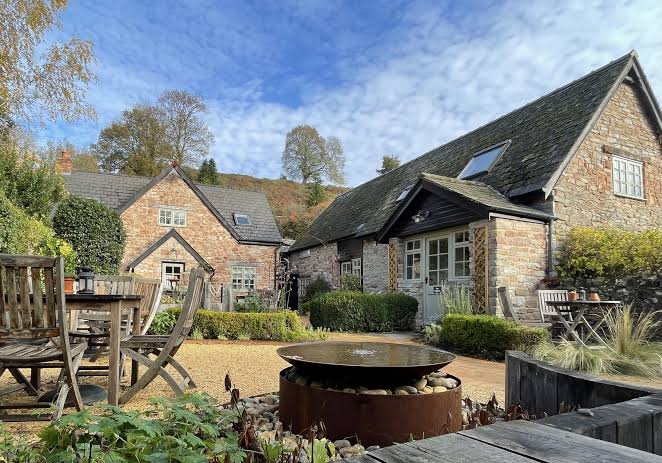
Tudor Farmhouse Hotel
For a truly atmospheric base from which to explore the history of the Forest of Dean and the Tudor story of the Welsh Marches, Tudor Farmhouse in Clearwell is hard to beat. Full of historic charm but with beautifully appointed rooms and a renowned restaurant showcasing locally sourced ingredients, it offers the perfect combination of character, comfort and good food – making it an inviting place to relax after a day of exploring